Chapter 1
IN THIS LESSON
Nutrition, Recovery, and Hormonal Support for Muscle Growth
Understanding how proper nutrition, meal timing, hydration, and hormone support work together to improve recovery, increase muscle growth, and maximize performance in the gym.

Do Better
〰️ Eat better 〰️
Do Better 〰️ Eat better 〰️
Nutrition is key
Nutrition plays a critical role in muscle growth and athletic performance because training alone is only the stimulus for change—the body still needs the proper nutrients to repair damaged muscle tissue, restore energy, and support recovery. When someone lifts weights or performs intense exercise, muscle fibers experience stress and microscopic tears. Without enough nutrients, especially protein and calories, the body cannot effectively rebuild those fibers stronger than before. This is why many people who train hard but eat poorly often struggle to gain muscle or strength. Proper nutrition provides the raw materials the body uses to recover, adapt, and grow after each workout.
Protein is one of the most important nutrients for building muscle because it supplies amino acids, which are the building blocks of muscle tissue. After resistance training, the body increases muscle protein synthesis, the process responsible for repairing and constructing new muscle fibers. Consuming enough high-quality protein throughout the day helps maximize this process and supports consistent growth over time. Good protein sources include chicken, turkey, lean beef, fish, eggs, Greek yogurt, cottage cheese, milk, tofu, beans, lentils, and protein powders such as whey or casein. Most individuals focused on muscle growth benefit from regularly spacing protein intake across meals rather than consuming it all at once, as this provides a more steady supply of amino acids for recovery.
Carbohydrates are also extremely important for gym performance and muscle gains because they are the body’s primary energy source during intense exercise. Carbs are stored in the muscles as glycogen, which fuels resistance training, sprinting, and other high-effort activities. Without enough carbohydrates, energy levels can drop, workouts may become less productive, and recovery can slow down. Complex carbohydrate sources such as rice, oats, potatoes, whole grains, fruits, vegetables, and pasta help provide steady energy while also supplying vitamins, minerals, and fiber. Eating carbohydrates before training can improve workout performance, while consuming them after exercise helps replenish glycogen stores and supports recovery.
Healthy fats are another essential part of a muscle-building diet because they support hormone production, brain function, joint health, and overall recovery. Many important hormones involved in muscle growth, including testosterone, rely on adequate fat intake for healthy production. Sources of healthy fats include avocados, nuts, seeds, olive oil, natural peanut butter, salmon, and other fatty fish rich in omega-3 fatty acids. While fats should not completely replace carbohydrates in an athlete’s diet, balanced fat intake helps maintain long-term health and hormonal balance.
Hormones play a major role in determining how effectively the body can build muscle and recover from training. Testosterone is one of the most important anabolic hormones because it supports muscle protein synthesis, strength development, recovery, and overall muscle growth. Growth hormone and insulin-like growth factor (IGF-1) also contribute to tissue repair and recovery processes. Proper nutrition, sleep, and consistent exercise help support healthy hormone levels naturally. On the other hand, poor sleep, excessive stress, undereating, or overtraining can negatively affect hormones such as cortisol, a stress hormone that can interfere with recovery and muscle growth when chronically elevated. This is why nutrition and recovery are just as important as the workouts themselves.
Hydration is another often-overlooked factor that directly affects gym performance and recovery. Water is necessary for muscle contractions, nutrient transport, temperature regulation, and overall physical performance. Even mild dehydration can reduce strength, endurance, focus, and recovery ability. Athletes and active individuals should consistently drink water throughout the day, especially before, during, and after workouts, to maintain proper performance and recovery.
Overall, nutrition is the foundation that supports every aspect of fitness progress. Training creates the signal for muscles to grow, but food provides the energy and materials needed for that growth to occur. A balanced diet rich in protein, complex carbohydrates, healthy fats, vitamins, minerals, and adequate hydration allows the body to recover properly, maintain healthy hormone levels, and consistently improve strength, muscle size, and athletic performance over time.
Nutrient Timing and Eating for Performance and Recovery
-
Description The timing of nutrition can also have a major impact on gym performance, recovery, and muscle growth. While total daily calorie and protein intake are the most important factors, eating the right foods at the right times helps provide energy for workouts and supports faster recovery afterward. Before training, the body benefits from meals that contain carbohydrates and protein because carbohydrates provide fuel for exercise while protein helps prepare the muscles for repair. A balanced pre-workout meal eaten about 1–3 hours before training may include foods such as chicken and rice, oatmeal with fruit and protein, eggs and toast, or Greek yogurt with granola. Eating too little before a workout can lead to low energy and weaker performance, while eating heavy or greasy foods immediately before exercise may cause discomfort.ext goes here
-
After training, the body enters an important recovery phase where nutrients are used to repair damaged muscle fibers and restore energy stores. Consuming protein after exercise helps stimulate muscle protein synthesis, while carbohydrates help replenish glycogen that was used during the workout. Good post-workout meals include lean meat with rice or potatoes, protein shakes with fruit, eggs with toast, or salmon with vegetables and rice. Many athletes aim to eat within a couple of hours after training because muscles are especially responsive to nutrients during recovery, although the exact timing is less important than consistently meeting overall nutrition needs throughout the day.
-
Daily meal consistency is also important for maintaining muscle growth and stable energy levels. Instead of eating one or two extremely large meals, many active individuals benefit from spreading protein, carbohydrates, and healthy fats across multiple balanced meals throughout the day. This provides a steady supply of nutrients for recovery, hormone support, and muscle repair. Breakfast is especially important because it helps replenish nutrients after overnight fasting and provides energy for the day ahead. Skipping meals regularly can make it harder to consume enough calories and protein to support muscle growth.
Hydration timing matters as well. Drinking water before exercise helps prevent dehydration, sipping fluids during workouts helps maintain performance, and rehydrating afterward supports recovery and muscle function. For longer or intense training sessions, drinks containing electrolytes and carbohydrates may also help replace nutrients lost through sweat and sustain energy levels. Proper timing of nutrition and hydration, combined with consistent training and recovery, allows the body to perform at its best and maximize long-term progress in the gym.
-
Chicken, rice, and vegetables
Oatmeal with banana and protein powder
Eggs with toast and fruit
Greek yogurt with granola and berries
Turkey sandwich on whole wheat bread
Peanut butter and banana sandwich
Rice cakes with peanut butter and honey
Pasta with lean ground beef or chicken
Smoothie with fruit, oats, milk, and protein powder
Bagel with eggs and turkey bacon
-
Grilled chicken with rice or potatoes
Steak with sweet potatoes and vegetables
Salmon with rice and broccoli
Protein shake with banana and oats
Eggs with toast and fruit
Greek yogurt with berries and granola
Turkey burger with potatoes or rice
Tuna sandwich with fruit
Cottage cheese with fruit and nuts
Burrito bowl with chicken, rice, beans, and vegetables
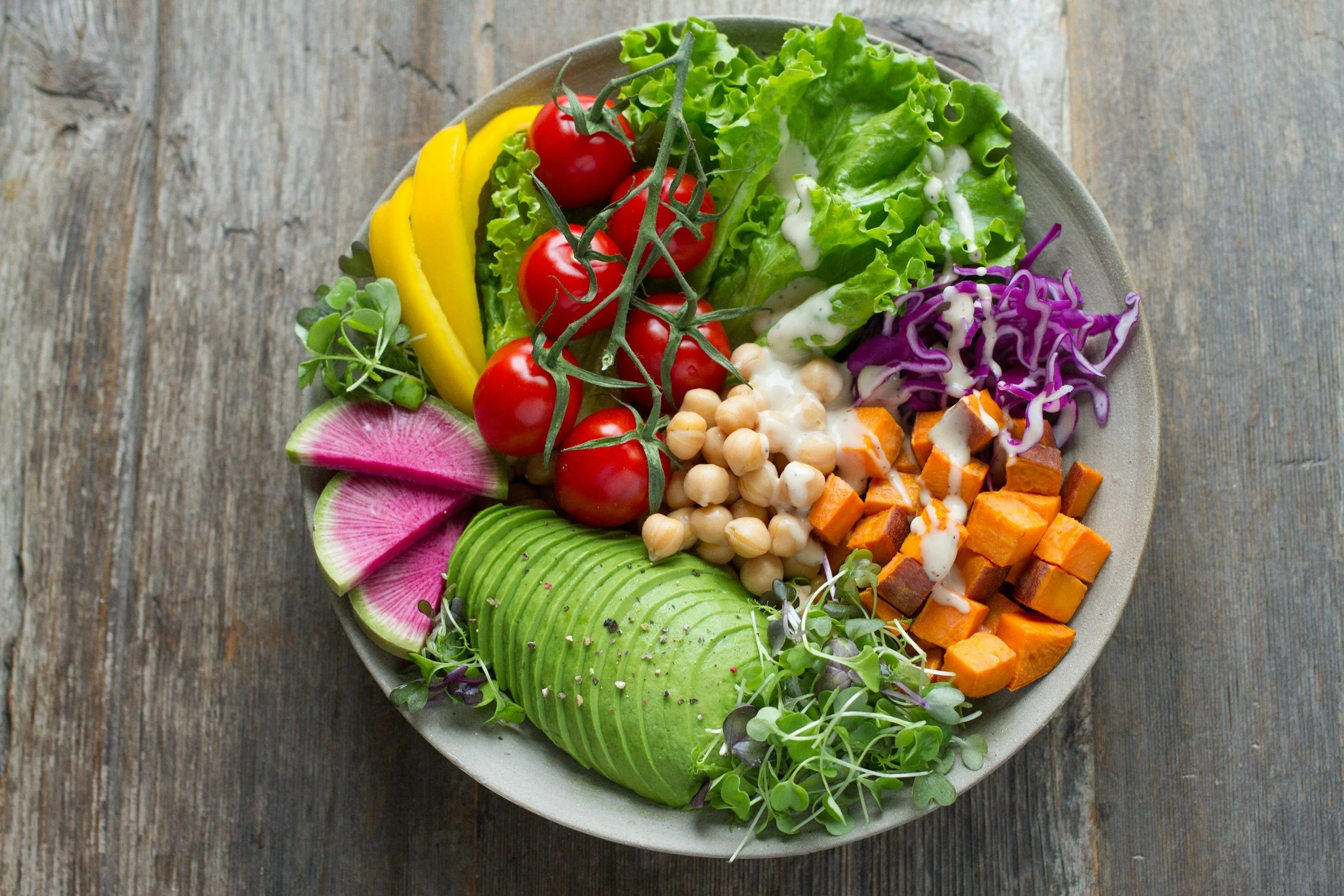
-Importance of getting Carbs and protein within post workout meals

SUmmary
From personal experience, improving my nutrition had one of the biggest impacts on my progress in the gym. Once I started focusing on eating enough protein, consuming balanced meals, staying hydrated, and timing my meals around workouts, I noticed major improvements in my strength, energy, recovery, and overall performance. My workouts became more productive because I had more energy during training, and I recovered faster afterward instead of constantly feeling sore or fatigued. I also learned that training hard alone is not enough if the body is not properly fueled. Consistently eating nutritious foods and staying disciplined with my diet helped me build more muscle, improve my endurance, and feel healthier overall.
Overall, nutrition is one of the most important factors in muscle growth and athletic performance. Protein supports muscle repair and growth, carbohydrates provide energy for intense exercise, and healthy fats help maintain important hormones involved in recovery and development. Meal timing also plays a valuable role because eating the right foods before and after workouts helps improve performance and speed up recovery. Combined with proper hydration, sleep, and consistent training, good nutrition allows the body to recover efficiently, maintain healthy hormone levels, and maximize long-term progress in the gym.